
Pittsburgh is no stranger to extreme weather conditions, from heavy rainfall to bitter winter chills. Among these, one of the most damaging processes for homeowners’ foundations is the freeze-thaw cycle. Understanding how freeze-thaw cycles affect your home’s foundation and what you can do to protect it is crucial for maintaining structural integrity and avoiding costly repairs.
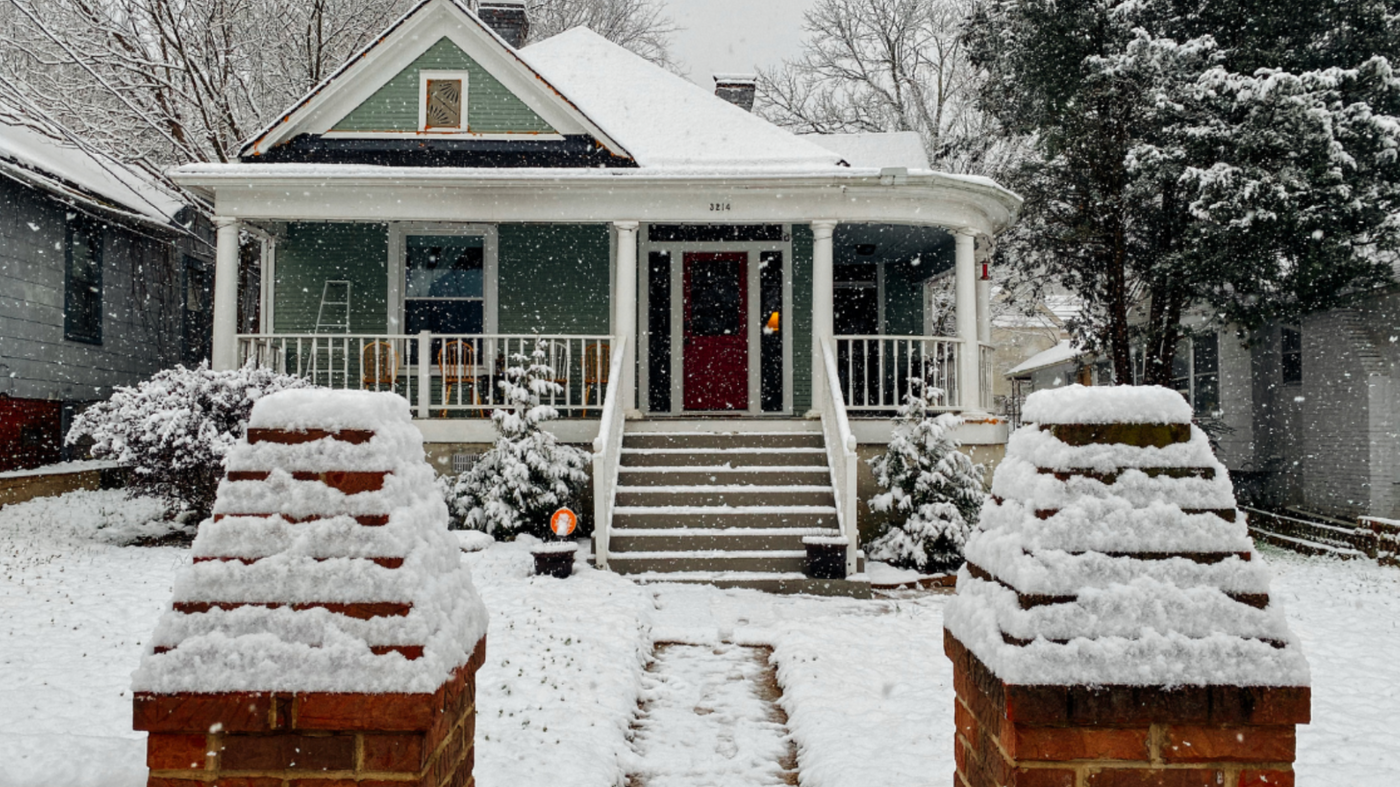
How Freeze-Thaw Cycles in Pittsburgh Impact Your Foundation
At Steel City Waterstoppers & Foundation Repair, we’ve helped countless Pittsburgh homeowners safeguard their basements, foundations, and crawl spaces from cold-weather damage. Here’s how you can prepare your home for winter and prevent unwanted water intrusion.
What Are Freeze-Thaw Cycles?
A freeze-thaw cycle occurs when temperatures fluctuate above and below freezing. In Pittsburgh, this can happen multiple times throughout the winter months. Water that has seeped into cracks, pores, or soil around your foundation freezes when temperatures drop. As water freezes, it expands by approximately 9%, exerting pressure on whatever contains it. When temperatures rise and the ice melts, the pressure subsides, only to repeat the cycle the next time the temperature drops.
While a single freeze-thaw event may seem harmless, repeated cycles can gradually weaken concrete, masonry, and soil around your foundation. Over time, these repeated expansions and contractions can lead to cracks, shifting, and structural damage.
The Effects on Your Foundation
Cracking – One of the most visible signs of freeze-thaw damage is cracking in your foundation walls or floor. Even small cracks can allow water to seep into your basement, causing dampness, mold, and mildew.
Shifting and Settling – Freeze-thaw cycles can cause the soil under and around your foundation to heave. As the soil expands with ice formation and contracts when it thaws, your foundation may shift unevenly. This can result in uneven floors, sticking doors and windows, and structural stress.
Water Intrusion – The expansion of frozen water can create pathways for water to enter your basement or crawl space. Over time, this moisture can compromise the foundation’s stability and increase the risk of flooding.
Concrete Deterioration – Concrete is porous, meaning it naturally absorbs water. Repeated freezing and thawing can cause spalling, where small pieces of concrete break off, weakening the structure over time.
Why Pittsburgh Homeowners Are Especially at Risk
Pittsburgh’s climate is characterized by fluctuating winter temperatures, heavy precipitation, and a mix of clay and sandy soils in residential areas. Clay-rich soils are particularly prone to expansion when wet, while sandy soils can shift more easily. Both soil types amplify the effects of freeze-thaw cycles. Additionally, older homes built with outdated drainage or foundation systems are more vulnerable to damage.
Prevention and Protection
Preventing freeze-thaw damage requires a proactive approach to foundation maintenance and water management:
Proper Drainage – Ensure your gutters and downspouts direct water away from your foundation. Installing extensions or a proper grading slope can prevent water accumulation near your home.
Foundation Sealing – Apply water-resistant sealants to your foundation walls to reduce water absorption. Sealing cracks promptly can prevent them from worsening during freeze-thaw cycles.
Soil Management – Avoid planting large trees or shrubs too close to your foundation, as their roots can create pathways for water. Ensure the soil grading slopes away from your home to reduce water pooling.
Regular Inspections – Inspect your foundation regularly, especially after the winter season. Look for cracks, spalling, or signs of moisture intrusion. Early detection allows for timely repairs before the damage becomes extensive.
Professional Waterproofing – For persistent water issues or severe freeze-thaw damage, consult a professional foundation repair and waterproofing company. Services like Steel City Waterstoppers provide solutions such as crack injection, exterior waterproofing, and drainage system installation to protect your home.
Freeze-thaw cycles may seem like a minor winter inconvenience, but for Pittsburgh homeowners, they pose a real threat to foundation health. Cracks, shifting, and water intrusion are common problems that develop over time, often leading to costly repairs if left unaddressed. By understanding the risks, maintaining proper drainage, sealing vulnerable areas, and seeking professional assistance when needed, you can safeguard your foundation and protect your home for years to come.
At Steel City Waterstoppers, we specialize in helping Pittsburgh homeowners prevent and repair foundation damage caused by water and freeze-thaw cycles. Don’t wait until a small crack becomes a major problem, contact us today to ensure your foundation stays strong through every winter.