Screenshot 2026-07-09 at 10.18.56 AM.png

How Humidity Impacts Your Basement and What You Can Do About It

Basements naturally tend to feel cooler and damper than the rest of the home, but excessive humidity is more than just an inconvenience. High basement humidity can lead to mold growth, musty odors, structural damage, and unhealthy indoor air quality throughout your home.

In the Pittsburgh area, humidity becomes an even bigger issue during the spring and summer months when warm outdoor air combines with moisture-prone basements and older foundations. At Steel City Waterstoppers & Foundation Repair, we help homeowners identify the causes of basement moisture problems and create long-term solutions that protect both the home and the family living inside it.

Why Basements Are So Vulnerable to Humidity

Basements sit below ground level, which means they are constantly surrounded by soil containing moisture. Concrete walls and floors are naturally porous, allowing moisture vapor to slowly pass through over time. Add in Pittsburgh’s humid summers and frequent rainfall, and it creates the perfect environment for excess moisture buildup.

Even if you do not have standing water or visible leaks, humidity can still become trapped inside the basement. Many homeowners are surprised to learn that moisture problems often begin long before puddles or flooding appear.

Common causes of high basement humidity include:

  • Poor ventilation

  • Foundation cracks

  • Water seepage through concrete

  • High outdoor humidity

  • Condensation on pipes or walls

  • Inefficient drainage systems

  • Damp crawl spaces

  • Improper grading around the home

When moisture levels remain elevated for extended periods, damage can begin to spread quickly.

Signs Your Basement Has a Humidity Problem

Humidity problems are not always obvious at first. In many homes, the warning signs develop gradually.

Some of the most common indicators include:

  • Musty or damp odors

  • Condensation on pipes or windows

  • Peeling paint or bubbling walls

  • Damp cardboard boxes or stored items

  • Mold or mildew growth

  • Warped wood

  • Rust on appliances or metal surfaces

  • Increased allergy symptoms indoors

If your basement smells damp every summer, there is likely excess moisture in the air even if you cannot see standing water.

How High Humidity Can Damage Your Home

Mold and Mildew Growth

One of the biggest concerns with basement humidity is mold. Mold thrives in dark, damp environments and can begin growing within 24 to 48 hours when moisture levels remain high.

Once mold develops, spores can circulate throughout the entire home through the HVAC system. This can worsen allergies, asthma, and respiratory issues for family members.

Musty odors are often one of the earliest signs that mold or mildew is developing somewhere in the basement.

Damage to Structural Materials

Excess humidity does not just affect air quality. Over time, it can also weaken parts of your home’s structure.

Wood framing, floor joists, and support beams can absorb moisture and begin to rot. Humidity can also cause drywall deterioration, warped flooring, and damage to insulation materials.

In severe cases, long-term moisture exposure can contribute to foundation deterioration and structural instability.

Increased Pest Activity

Many pests are attracted to damp environments. Basements with excess moisture often become attractive to termites, silverfish, centipedes, and other insects looking for water sources.

Controlling humidity can help reduce the likelihood of pest infestations inside the home.

Higher Energy Bills

Humid air feels warmer and heavier, making your HVAC system work harder to keep the home comfortable. Excess basement humidity can raise cooling costs during the summer and make indoor temperatures feel uncomfortable even when the thermostat is set lower.
Why Humidity Problems Are Common in Pittsburgh Homes

Homes throughout the Pittsburgh region are especially vulnerable due to the area’s climate and terrain. Frequent rainstorms, clay-heavy soil, hillside properties, and aging foundations all contribute to moisture retention around homes.

Older Pittsburgh homes may also lack modern waterproofing systems or proper drainage infrastructure. Over time, hydrostatic pressure builds around the foundation and pushes moisture through basement walls and floors.

Even homes without major leaks can still struggle with chronic humidity problems because moisture continuously enters through porous concrete and damp surrounding soil.

What You Can Do About Basement Humidity

The good news is that humidity problems can usually be controlled with the right combination of waterproofing, drainage, and ventilation improvements.

Install a Dehumidifier

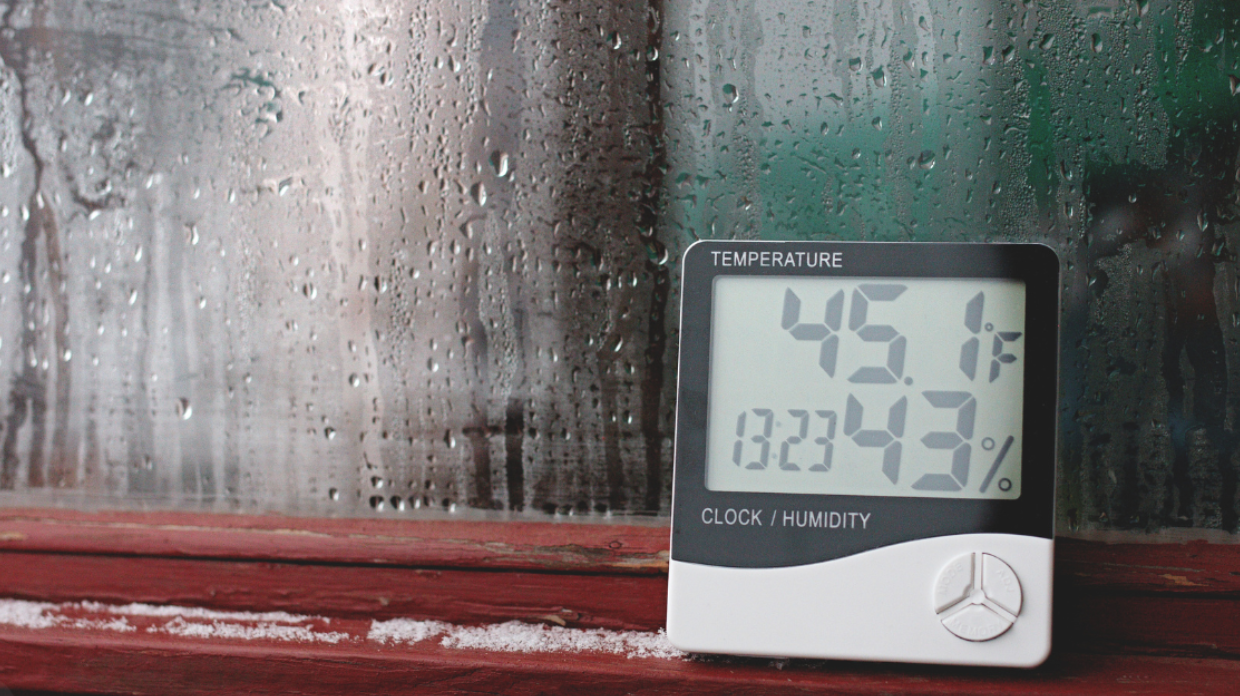
A quality basement dehumidifier can help regulate moisture levels and reduce dampness in the air. Ideally, basement humidity should stay below 50%.

However, dehumidifiers alone often treat the symptom rather than the source of the problem.

Improve Drainage Around the Home

Proper exterior drainage is critical for keeping water away from the foundation.

Homeowners should:

  • Clean gutters regularly

  • Extend downspouts away from the home

  • Ensure grading slopes away from the foundation

  • Address pooling water near the home

Reducing water buildup outside helps reduce moisture intrusion inside.

Seal Foundation Cracks

Even small foundation cracks can allow moisture vapor and water seepage into the basement. Professional crack repair can help prevent humidity from worsening over time.

Consider Basement Waterproofing Solutions

In many cases, permanent moisture control requires professional waterproofing systems such as:

  • Interior drainage systems

  • Sump pumps

  • Vapor barriers

  • French drains

  • Foundation waterproofing membranes

These systems work together to keep water out and maintain a drier basement environment year-round.

Protect Your Basement with Steel City Waterstoppers & Foundation Repair

Humidity problems rarely go away on their own. In fact, they often become more expensive and more damaging over time. Addressing basement moisture early can help protect your home’s structure, improve indoor air quality, and create a healthier living environment.

At Steel City Waterstoppers & Foundation Repair, we specialize in basement waterproofing, foundation repair, drainage solutions, and moisture control for homeowners throughout the Pittsburgh area.

If your basement feels damp, smells musty, or shows signs of excess humidity, our team can help identify the source and recommend long-term solutions designed specifically for Western Pennsylvania homes.