
When it comes to protecting your home’s foundation, landscaping isn’t always the first thing that comes to mind. Homeowners often focus on aesthetics, lush lawns, flower beds, and trees without realizing that the way your yard is designed can have a major impact on how water flows around your property.
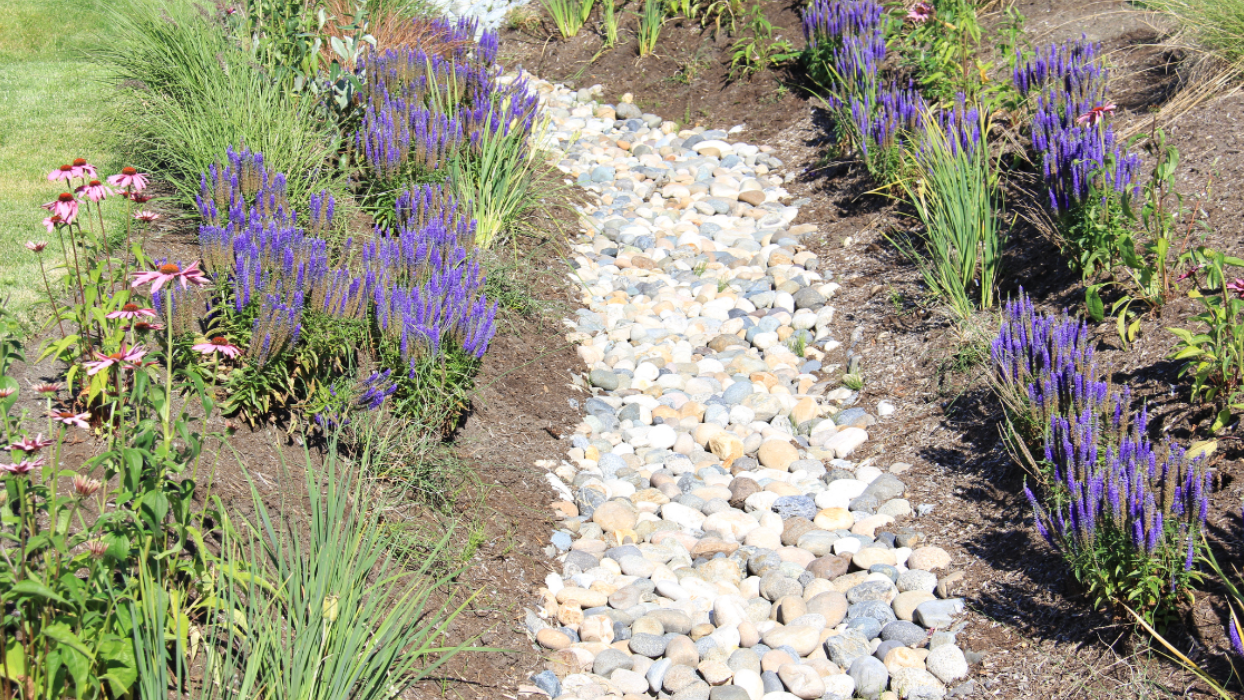
How Landscaping Impacts Your Home’s Drainage and Foundation
Poor landscaping can lead to drainage issues, foundation cracks, and even basement flooding. At Steel City Waterstoppers & Foundation Repair, we know that the health of your foundation depends as much on what’s above ground as what lies below.
Let’s explore how landscaping affects your home’s drainage and foundation—and how you can prevent costly problems.
The Connection Between Landscaping and Drainage
Your home’s drainage system is designed to move water away from the foundation. When landscaping is improperly designed, water can instead be directed toward your home, pooling around the base and seeping into the soil. Over time, this excess moisture can weaken your foundation, cause cracks, or lead to water intrusion in your basement.
Some common landscaping issues that contribute to poor drainage include:
Grading problems: If your yard slopes toward the house instead of away, rainwater will naturally flow to the foundation.
Improperly placed plants: Large shrubs or flower beds placed too close to the foundation can trap moisture against your home’s exterior.
Mulch buildup: Thick layers of mulch near the foundation can hold excess water, creating soggy soil conditions.
Paved surfaces: Walkways, patios, and driveways that aren’t angled correctly can channel water toward the home rather than away.
Trees and Shrubs: Friends or Foes?
Trees and shrubs can make your yard beautiful, but they also play a big role in soil and water management. Their root systems absorb water, but when planted too close to your home, they can cause trouble.
Foundation stress: Tree roots can push against your foundation or dry out the soil unevenly, leading to cracks and settling.
Clogged drains: Roots often infiltrate underground drainpipes, blocking water flow and backing it up toward your house.
Excess shade: Dense tree cover may prevent soil from drying after rain, keeping the ground around your foundation damp.
The key is smart planting. Choose trees and shrubs suited to your soil type and keep them at a safe distance from the foundation—generally at least as far away as the tree’s mature height.
How Landscaping Affects Soil Conditions
The type of soil around your foundation matters just as much as how your landscaping is arranged. Clay-heavy soils, common in many Pittsburgh-area yards, expand when wet and contract when dry. This repeated cycle of expansion and shrinkage puts stress on foundations, often leading to cracks and leaks. Landscaping that prevents proper drainage only makes this issue worse.
For example:
Overwatering lawns and gardens can saturate clay soils, keeping them swollen and unstable.
Decorative features like retaining walls can block natural water flow if not installed correctly.
Poorly maintained gutters and downspouts can dump rainwater directly into the soil by the foundation, compounding the problem.
Best Practices for Landscaping Around Your Home
To protect your home’s foundation, follow these landscaping best practices:
Ensure proper grading. The ground should slope away from your home by at least 6 inches within the first 10 feet.
Install drainage solutions. Consider French drains, downspout extensions, or dry wells to redirect excess water.
Mind your plant placement. Keep trees and shrubs at a safe distance, and avoid dense vegetation close to the house.
Use the right materials. Gravel beds near the foundation can promote drainage better than mulch or heavy soils.
Maintain gutters and downspouts. Keep them clean and ensure they direct water at least 6 feet away from your foundation.
When to Call a Professional
Even with careful landscaping, drainage and foundation issues can still arise. Signs of a problem include:
Water pooling near the foundation after rain.
Damp or musty smells in the basement.
Visible foundation cracks.
Uneven floors or doors that won’t close properly.
If you notice these warning signs, it’s time to consult a professional. At Steel City Waterstoppers & Foundation Repair, we specialize in identifying the root cause of drainage and foundation issues and offering long-term, affordable solutions.
Your landscaping does far more than beautify your home—it directly influences how water interacts with your foundation. By designing your yard with drainage in mind and maintaining your property carefully, you can prevent serious water damage and foundation problems. If you suspect your landscaping may be contributing to drainage or foundation issues, don’t wait until the problem worsens. Reach out to the experts at Steel City Waterstoppers & Foundation Repair for an inspection and peace of mind.