
As winter approaches, many homeowners in Western Pennsylvania and beyond start preparing for colder temperatures, icy roads, and rising heating bills. But one crucial task that often gets overlooked is winter waterproofing. When snow and ice begin to melt, your home’s foundation, basement, and drainage systems face some of their toughest challenges of the year.
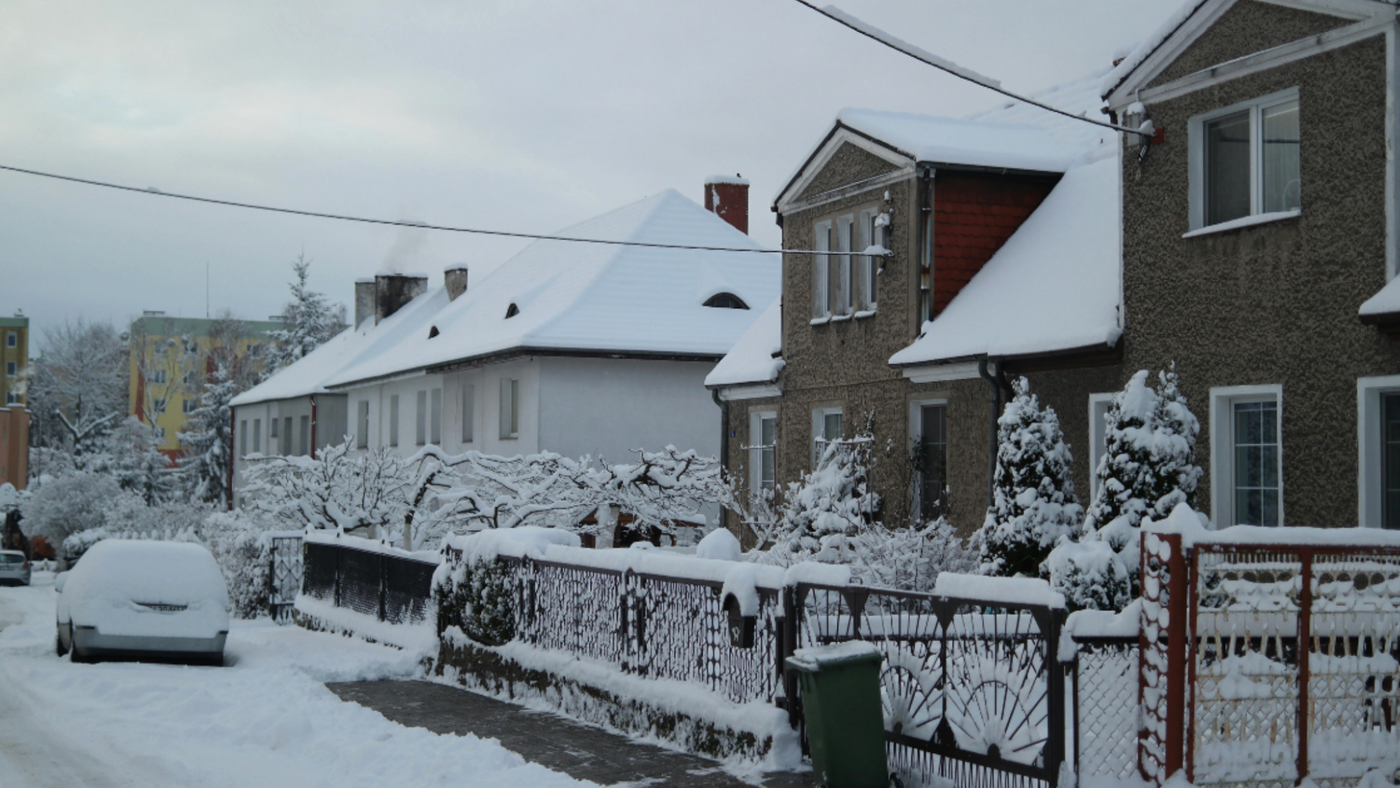
Preparing Your Home for Snowmelt and Freeze-Thaw Cycles
At Steel City Waterstoppers & Foundation Repair, we’ve seen firsthand how freeze-thaw cycles and snowmelt can lead to costly water damage if left unchecked. Here’s what you need to know to protect your home this winter and how to keep moisture where it belongs: outside.
Understanding Freeze-Thaw Cycles
When temperatures fluctuate between freezing and thawing, water expands and contracts as it freezes and melts. This process known as the freeze-thaw cycle can wreak havoc on concrete, masonry, and soil around your foundation.
Here’s what typically happens:
Water seeps into small cracks or pores in concrete.
When temperatures drop, that water freezes and expands.
The expansion widens cracks and weakens structural integrity.
As the ice melts, more water enters, repeating the cycle.
Over time, this process can cause foundation cracks, crumbling mortar, uneven floors, and basement leaks. Taking preventative measures before winter hits is essential to stopping this cycle before it starts.
Inspect and Seal Foundation Cracks
Before the first freeze, take a walk around your home’s foundation both inside and out. Look for cracks, gaps, or crumbling areas in the concrete or block walls. Even small hairline cracks can become major entry points for water during winter.
Exterior sealing: Professional foundation sealing with waterproof coatings or membranes prevents moisture from penetrating concrete walls.
Interior solutions: If you’ve already noticed signs of dampness or water intrusion, interior sealants and drainage channels can provide an added layer of protection.
Professional evaluation: A foundation expert, like those at Steel City Waterstoppers, can identify underlying structural issues that DIY fixes might miss.
Taking action now helps prevent expensive repairs once the freeze-thaw cycle begins in full force.
Clean and Maintain Gutters and Downspouts
Clogged gutters and misaligned downspouts are some of the biggest culprits behind winter water damage. When gutters are full of leaves, snowmelt has nowhere to go and often ends up pooling around your foundation.
Clear debris before the first snowfall.
Extend downspouts at least 4–6 feet away from your home.
Ensure proper slope so water flows away, not toward your foundation.
A well-maintained drainage system is your first line of defense against moisture accumulation near your basement or crawl space.
Check Surface Drainage and Grading
Even with functional gutters, poor yard grading can direct melting snow right toward your home. Over time, soil can settle, creating low spots where water collects.
Walk around your property and look for puddles or slopes leading toward your foundation. Regrading your yard or installing surface drains or French drains can redirect runoff away from your home.
If your property has consistent pooling or erosion issues, our team can design a customized drainage solution to ensure proper water flow all year long.
Inspect Sump Pumps and Drain Systems
If you have a sump pump, make sure it’s ready to handle increased water flow from snowmelt. Test it before temperatures drop to ensure it’s functioning properly.
Clean the pit and check valves for debris.
Test the pump by pouring in water to see if it activates automatically.
Install a backup power source to keep your pump running during winter storms or outages.
A reliable sump pump can make the difference between a dry basement and a flooded one when the snow starts melting rapidly in early spring.
Insulate and Protect Vulnerable Areas
Cold air and moisture often enter through small gaps in basement windows, crawl spaces, and utility openings. Sealing and insulating these areas helps keep your home both dry and energy-efficient.
Use weatherstripping or caulk to seal window and door frames.
Insulate exposed pipes to prevent freezing and bursting.
Consider installing window well covers to keep snow and ice from accumulating near basement openings.
Schedule a Professional Waterproofing Inspection
Even if your home seems dry now, the winter months can reveal hidden vulnerabilities. A professional inspection can identify potential risks such as foundation cracks, poor drainage, or inadequate waterproofing before they lead to bigger issues.
At Steel City Waterstoppers & Foundation Repair, we specialize in comprehensive waterproofing solutions that safeguard your home through every season. From crack repair and interior drainage systems to exterior sealing and sump pump installation, our experts provide tailored recommendations for long-term protection.