
Heavy rain can quickly turn a dry basement into a stressful and costly disaster. Whether it's a few inches of standing water or a significant flood, acting quickly can help minimize damage and protect your home's foundation. At Steel City Waterstoppers & Foundation Repair, we've helped countless homeowners restore their basements and prevent future flooding. Here's what you should do if your basement floods during heavy rain.
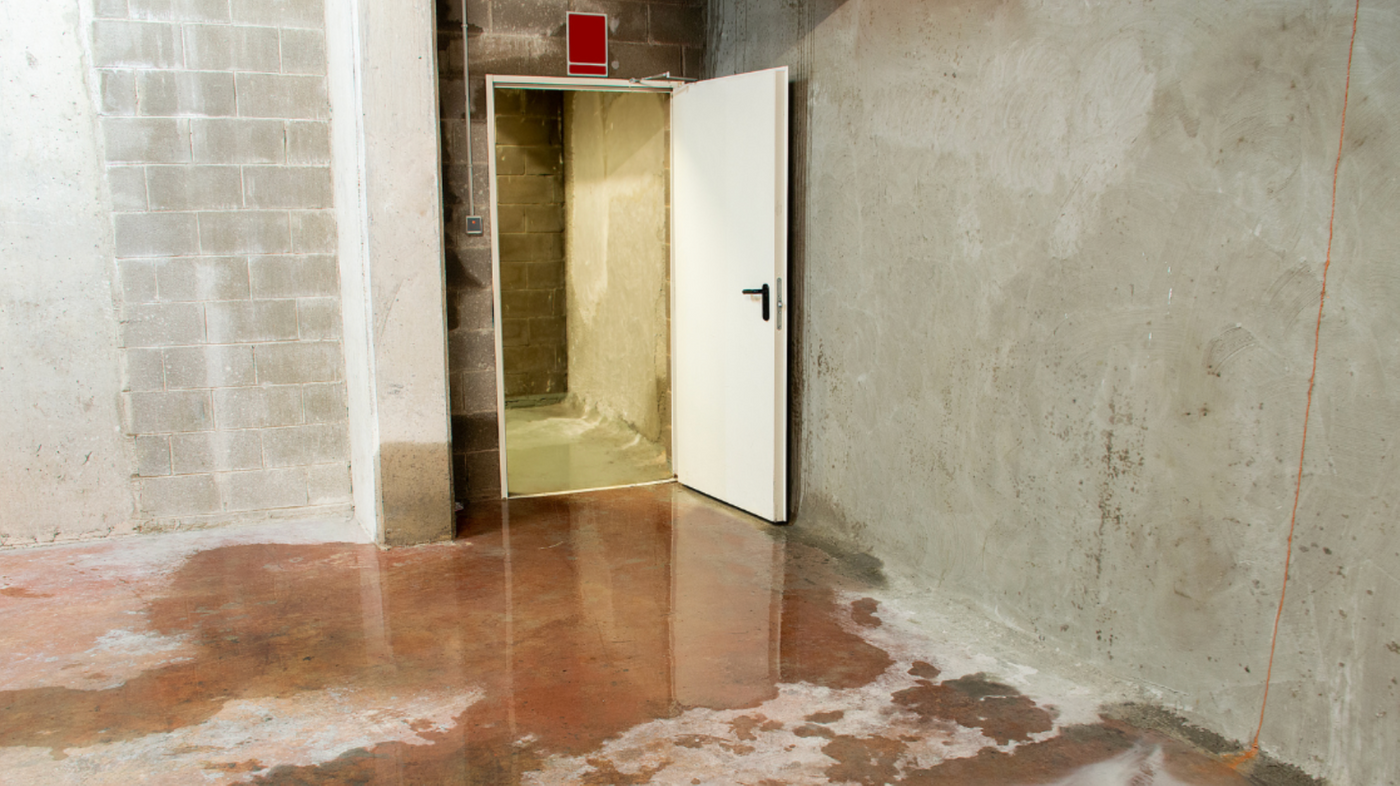
What to Do If Your Basement Floods During Heavy Rain
Put Safety First
Before entering a flooded basement, consider the potential hazards. Standing water may come into contact with electrical wiring, outlets, or appliances, creating a serious shock risk. If the water level is high, shut off power to the affected area only if it can be done safely. If you're unsure, contact your utility company or an electrician before entering the space.
Floodwater can also contain contaminants from sewage backups or chemicals, so wear waterproof boots, gloves, and protective clothing if you need to enter the basement.
Stop the Source of Water
If the flooding is caused by heavy rainfall, it's important to determine how water is entering your home. Common causes include:
Foundation cracks
Leaking basement walls
Window well leaks
Overwhelmed sump pumps
Poor exterior drainage
Clogged gutters and downspouts
While you may not be able to stop rainwater immediately, identifying the source will help guide repairs and prevent additional water from entering.
Remove Standing Water Quickly
The longer water remains in your basement, the greater the risk of structural damage and mold growth. Depending on the amount of water, you may be able to remove it using:
A wet/dry vacuum
Portable water pumps
Buckets for smaller amounts of water
For extensive flooding, professional water removal equipment is often necessary to completely extract water and begin the drying process.
Dry the Basement Thoroughly
Even after standing water is removed, moisture remains trapped in walls, flooring, insulation, and other materials. Proper drying is essential to prevent mold from developing within 24 to 48 hours.
Use fans, dehumidifiers, and open windows when weather permits to improve airflow. Remove wet carpeting, damaged drywall, and soaked insulation if they cannot be completely dried.
If floodwater has contaminated building materials, replacement may be necessary to ensure a safe and healthy environment.
Inspect for Foundation Damage
Heavy rainfall can expose underlying foundation issues that may have gone unnoticed before the flood. Once the basement is dry, inspect for signs such as:
New or widening wall cracks
Bowing foundation walls
Water stains
Efflorescence (white mineral deposits)
Uneven floors
Persistent dampness
These symptoms may indicate hydrostatic pressure pushing against your foundation or water infiltrating through structural weaknesses.
Document the Damage
If you plan to file an insurance claim, take photographs and videos before removing damaged belongings whenever possible. Document:
Water levels
Damaged furniture and personal items
Structural damage
Appliances affected by flooding
Keep receipts for cleanup expenses and repairs, as your insurance company may request documentation during the claims process.
Prevent Mold Growth
Mold can begin growing within one to two days after flooding. To reduce the risk:
Remove wet materials promptly.
Clean hard surfaces with appropriate disinfectants.
Run dehumidifiers until humidity levels return to normal.
Dispose of porous materials that cannot be fully dried.
If you notice musty odors or visible mold, professional remediation may be necessary.
Address the Root Cause
Cleaning up the flood is only part of the solution. Preventing future basement flooding requires identifying and correcting the source of water intrusion.
Professional waterproofing solutions may include:
Interior drainage systems
Sump pump installation or replacement
Foundation crack repair
Exterior waterproofing membranes
French drains
Downspout extensions
Grading improvements around your home's foundation
Every home is different, so a customized waterproofing plan provides the best long-term protection.
Don't Ignore Minor Flooding
Even small amounts of water should never be dismissed. Repeated moisture exposure weakens building materials, encourages mold growth, damages stored belongings, and can eventually compromise your home's structural integrity.
Many homeowners assume occasional water after heavy rain is normal, but it's often an early warning sign of a larger foundation or drainage problem.
Trust Steel City Waterstoppers & Foundation Repair
When your basement floods, fast action can make all the difference. The experienced team at Steel City Waterstoppers & Foundation Repair provides comprehensive foundation repair and waterproofing solutions designed to keep your basement dry year-round.
Whether you're dealing with foundation cracks, recurring leaks, failing sump pumps, or drainage issues, we identify the source of the problem and deliver long-lasting solutions—not temporary fixes. If heavy rain has found its way into your basement, don't wait for the next storm. Contact Steel City Waterstoppers & Foundation Repair today to schedule an inspection and protect your home from future water damage.